
Image Recognition Software Experts
Image recognition software enables machines to identify, classify, and analyze visual data using deep learning and computer vision techniques. Oodles designs, builds, and deploys custom image recognition software using Python, TensorFlow, PyTorch, OpenCV, CNN architectures, YOLO, ResNet, EfficientNet, ONNX Runtime, and MLOps pipelines. Our solutions are engineered by experienced ML engineers and computer vision specialists to deliver scalable, production-ready visual AI systems with high accuracy and low latency.
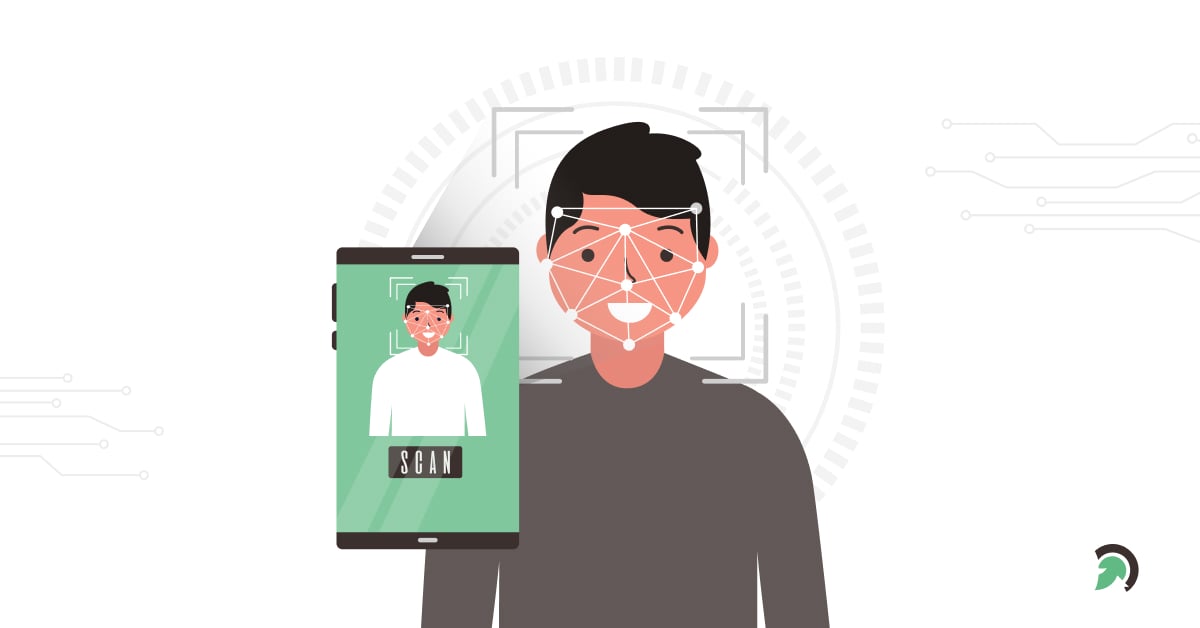
How We Build Image Recognition Software
Oodles begins by analyzing image datasets, recognition accuracy targets, inference speed requirements, and deployment constraints. Based on these inputs, we architect optimized image recognition pipelines for cloud, edge, or hybrid environments.
Our systems are built using Python, TensorFlow, PyTorch, OpenCV, and deep CNN models such as YOLO, ResNet, and EfficientNet. We implement data augmentation, transfer learning, GPU-accelerated training, model optimization, and real-time inference APIs with continuous monitoring to maintain long-term accuracy in production.
Image Recognition Solution Components
Deep Learning Models
Custom CNN architectures using TensorFlow and PyTorch, including YOLO, ResNet, and EfficientNet, fine-tuned for domain-specific image recognition tasks.
Data Pipelines
Automated data ingestion, labeling, augmentation, normalization, and preprocessing pipelines for large-scale image datasets.
Training & Optimization
GPU-accelerated training, hyperparameter tuning, quantization, pruning, and performance optimization for fast and accurate inference.
Real-Time Inference
Low-latency inference APIs using TensorFlow Serving, ONNX Runtime, containerized model serving, and edge deployment.
Integration & Deployment
Seamless integration with enterprise applications, mobile apps, IoT systems, and cloud platforms via REST APIs and SDKs.
Monitoring & MLOps
Model monitoring, drift detection, retraining pipelines, A/B testing, and MLOps workflows to sustain accuracy over time.
Image Recognition Use Cases
Oodles delivers image recognition solutions tailored to industry-specific accuracy, scale, and real-time performance requirements.
Retail & E-Commerce
Oodles builds visual search engines, product recognition systems, and automated inventory management using CNN models for real-time product identification and categorization.
Healthcare & Medical Imaging
Medical image analysis, radiology AI, disease detection, and diagnostic support systems using deep learning models trained on medical imaging datasets.
Manufacturing & Quality Control
Automated defect detection, quality inspection, and production line monitoring using computer vision models for real-time manufacturing process optimization.
Automotive & Transportation
Autonomous vehicle vision systems, license plate recognition, driver monitoring, and traffic analysis using real-time object detection and tracking algorithms.
Security & Surveillance
Facial recognition, anomaly detection, crowd monitoring, and intelligent surveillance systems using deep learning for enhanced security and access control.
Agriculture & Environmental
Crop disease detection, yield prediction, drone-based monitoring, and precision agriculture solutions using image recognition for sustainable farming practices.
FAQs (Frequently Asked Questions)
Image recognition software development enables automated object detection, visual inspection, document processing, and facial recognition, improving accuracy and reducing manual operational costs.
Image recognition software is built using TensorFlow, PyTorch, OpenCV, YOLO, and deep learning frameworks to develop scalable computer vision applications for real-time analysis.
Custom image recognition software uses trained deep learning models to detect multiple objects, classify images, and extract visual insights for retail, healthcare, and manufacturing industries.
Image recognition software integrates via APIs into web, mobile, CRM, ERP, and cloud platforms, enabling real-time visual data processing and automated decision-making.
Enterprise-grade image recognition software uses encrypted APIs, secure cloud infrastructure, role-based access control, and compliance-ready frameworks to protect sensitive visual data.
Development timelines depend on dataset complexity, model training requirements, and integration scope, typically ranging from prototype development to full-scale enterprise deployment.
Experienced developers optimize AI models, reduce infrastructure costs, and build scalable computer vision systems that improve automation efficiency and long-term business performance.
Need a dedicated team for Image Recognition Software Development? Let's talk







We are ISO 9001:2015 Certified
Connect with us


Follow us